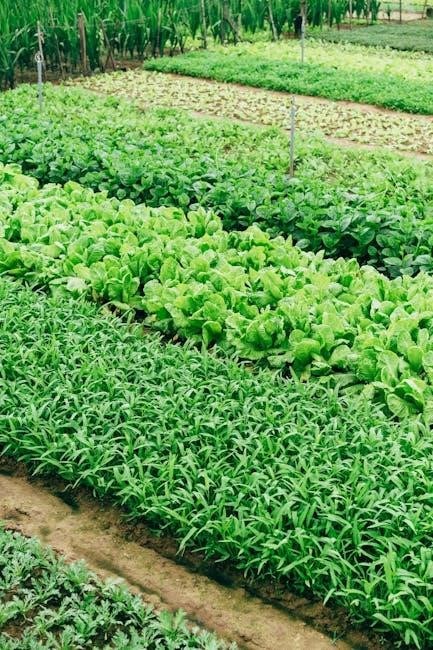
Square foot gardening offers a streamlined approach, utilizing charts for efficient plant spacing, maximizing yields in limited spaces, and simplifying garden planning for beginners.
Downloadable PDF charts are readily available, providing a quick reference guide for over 20 vegetables, eliminating guesswork and ensuring optimal growth within each square foot.
What is Square Foot Gardening?
Square Foot Gardening is an innovative method designed for maximizing yields in smaller spaces, moving away from traditional row planting. It divides the garden into one-foot by one-foot squares, each dedicated to specific plants based on their size and spacing needs.
Central to this technique is utilizing a Square Foot Gardening Chart PDF – a vital tool for beginners and experienced gardeners alike. These charts detail precisely how many plants of each variety can thrive within a single square foot, optimizing space and preventing overcrowding.
The chart simplifies planning, offering a visual guide to companion planting and succession planting strategies. It’s a resource that transforms gardening into a more manageable and productive endeavor, especially for those with limited room or time.
Ultimately, it’s about smart gardening!
Benefits of Square Foot Gardening
Square Foot Gardening offers numerous advantages, primarily maximizing yield in limited spaces. Utilizing a Square Foot Gardening Chart PDF streamlines the planning process, eliminating guesswork regarding plant spacing and ensuring optimal growth.
This method significantly reduces wasted space compared to traditional rows, leading to increased productivity; The chart acts as a quick reference, detailing how many plants can thrive per square foot, tailored to specific vegetables and herbs.
Furthermore, it minimizes weeding, conserves water, and reduces the need for fertilizers. The chart also supports succession planting, allowing for continuous harvests throughout the growing season. It’s an accessible, efficient, and rewarding gardening approach for all levels!
It’s a truly fantastic method!
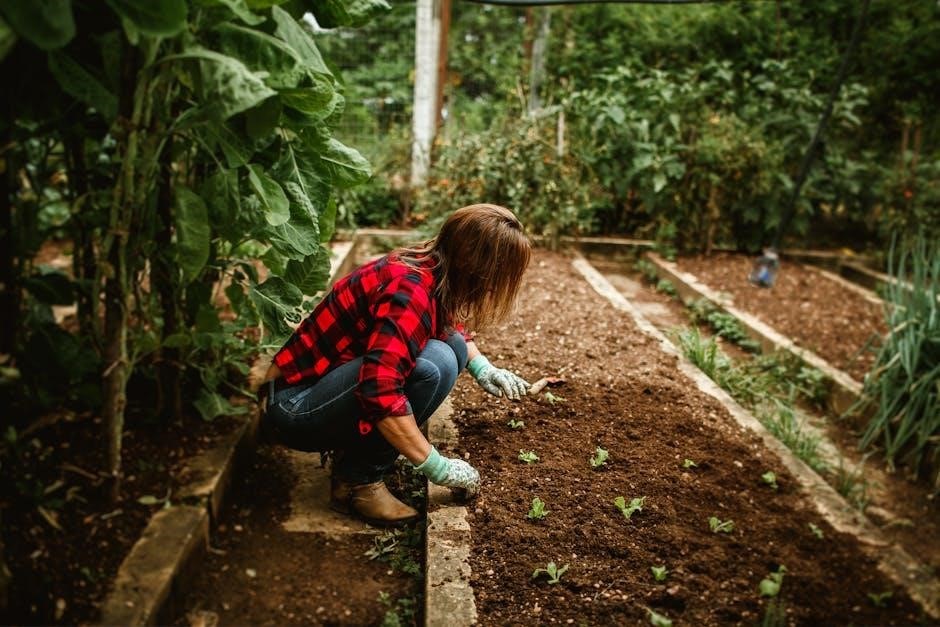
Planning Your Square Foot Garden
Careful planning, aided by a Square Foot Gardening Chart PDF, is crucial for success; it dictates layout, plant selection, and maximizes space utilization for bountiful harvests.
Choosing the Right Location
Selecting the ideal location for your square foot garden is paramount, and while a Square Foot Gardening Chart PDF doesn’t directly address location, it’s vital for plant health. Aim for a spot receiving at least six to eight hours of direct sunlight daily – crucial for most vegetables detailed within those charts.
Consider proximity to a water source; frequent watering is often necessary, especially during warmer months. Good drainage is also essential to prevent root rot, impacting yields outlined in your chart. Level ground simplifies box construction and ensures even water distribution.
Protecting your garden from strong winds can prevent damage to delicate plants, influencing spacing decisions found in the PDF. Observe the area throughout the day to assess sunlight patterns and wind exposure before building your boxes and referencing your chart.
Determining Garden Box Size (4×4, 4×8, 12×4)
Choosing the right box size impacts your garden’s productivity, and while a Square Foot Gardening Chart PDF focuses on plant density, box size dictates overall capacity. A 4×4 box is excellent for beginners or small spaces, offering manageable planting areas.
For increased yields, consider a 4×8 box, providing more room to diversify crops and utilize the spacing guidelines within your chart. Larger 12×4 boxes are ideal for families or those wanting substantial harvests, but require more materials and planning.
Remember, the chart’s recommendations are per square foot, so larger boxes simply allow for more of those optimally spaced plants. Accessibility is key – ensure you can comfortably reach all areas of the box for planting, weeding, and harvesting.
Building Your Garden Boxes
Constructing garden boxes is a straightforward process, and while a Square Foot Gardening Chart PDF details plant spacing, the box provides the foundation. Bottomless boxes are common, allowing direct soil contact, but plywood bottoms can prevent weed intrusion and improve drainage.
Untreated lumber is often preferred to avoid potential chemical leaching into your soil. Ensure boxes are sturdy enough to contain the weight of the grow mix. Building them yourself allows customization to fit your space and aesthetic preferences.
Remember to consider the height – a comfortable working height minimizes strain. Once built, these boxes become the framework for applying the spacing guidelines from your chart, maximizing yield in a defined area.
Spacing Between Boxes for Aisles
Adequate aisle space is crucial for accessibility and maintenance within your Square Foot Garden, complementing the precise plant spacing detailed in a Square Foot Gardening Chart PDF. A recommended distance of 3 feet between boxes allows comfortable walking and maneuvering with tools.
This spacing facilitates easy harvesting, weeding, and general garden upkeep. Consider your physical limitations and the size of any wheelbarrows or equipment you plan to use when determining aisle width.
Well-planned aisles not only improve practicality but also enhance the overall enjoyment of your gardening experience, ensuring you can easily access and nurture each square foot.
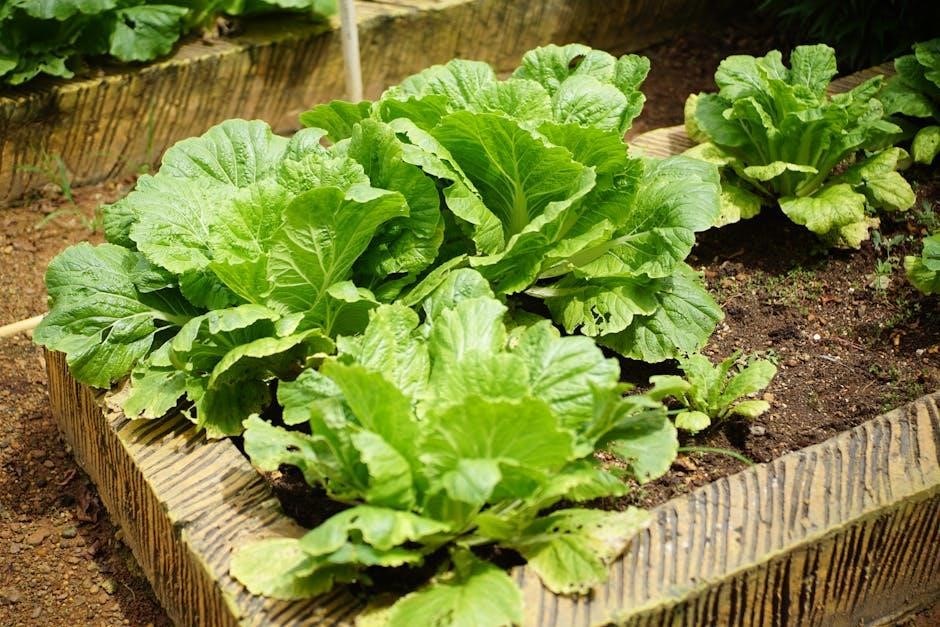
The Square Foot Gardening Grid
Grids divide boxes into square-foot sections, simplifying planting based on a chart PDF’s recommendations for optimal spacing and maximizing yields efficiently.
Creating a Grid Layout
Establishing a grid layout is fundamental to square foot gardening, transforming each raised bed into a series of manageable planting zones. This system relies heavily on referencing a square foot gardening chart PDF to determine precisely how many plants can thrive within each one-foot square;
The grid isn’t merely aesthetic; it’s a practical tool for visualizing and implementing optimal plant spacing. By dividing the garden box, you avoid overcrowding, ensuring each plant receives adequate sunlight, nutrients, and airflow. A well-planned grid, guided by the chart PDF, maximizes yield and minimizes wasted space.
Commonly, gardeners use thin strips of wood, plastic, or even twine to create the grid directly on top of the soil. The chart PDF will dictate whether a square should hold one large plant, several smaller ones, or a combination, influencing the grid’s overall design and planting strategy.
Materials for Grid Construction
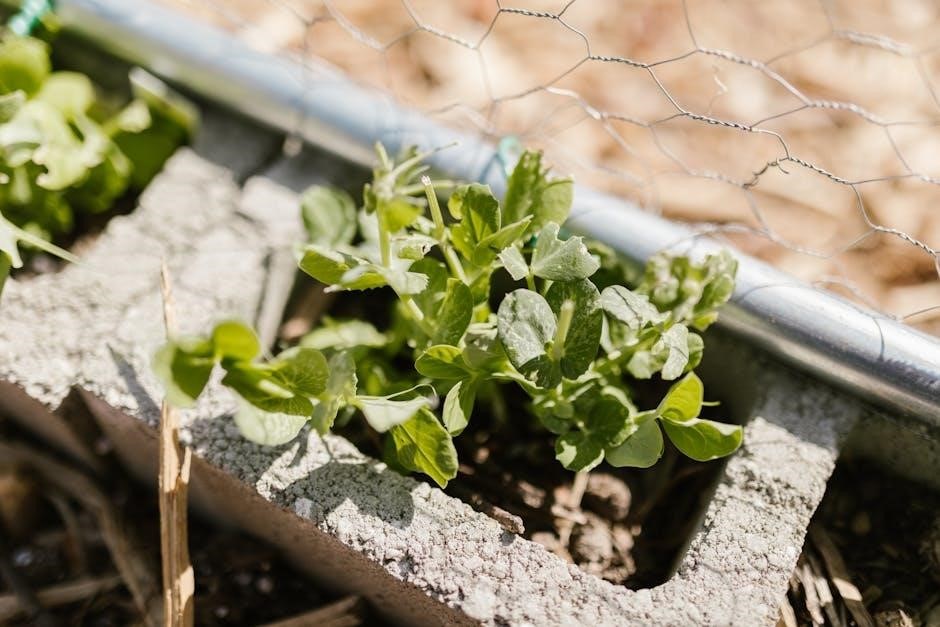
Constructing a grid for your square foot garden doesn’t require expensive materials; simplicity is key! Many gardeners utilize readily available options like thin strips of wood – often repurposed paint stirrers or lath – to delineate the one-foot squares. Plastic lattice or even durable twine secured with staples also work effectively.
However, referencing a square foot gardening chart PDF is crucial before selecting materials. The chart dictates plant density, influencing whether you need a robust grid to support heavier plants or a lighter one for seedlings. Some prefer permanent grids, while others opt for removable ones for seasonal adjustments.
Consider the longevity and weather resistance of your chosen material. A chart PDF can also inspire creative grid designs, beyond simple squares, to accommodate varying plant sizes and shapes, enhancing both functionality and visual appeal.
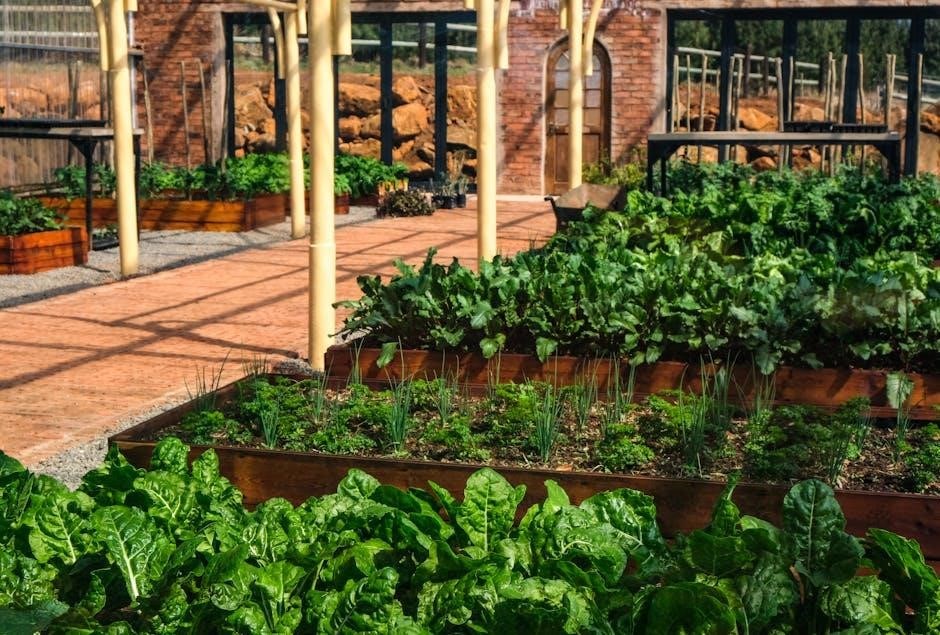
Soil Mix for Square Foot Gardening
Ideal grow mixes, detailed in chart PDFs, typically combine compost, peat moss, and vermiculite, providing optimal drainage, aeration, and nutrients for thriving plants.
Recommended Soil Components
Creating the perfect soil mix is fundamental to successful square foot gardening, and readily available chart PDFs often detail ideal proportions. A common blend utilizes one-third peat moss, offering moisture retention and aeration. Another third should consist of compost, providing essential nutrients and beneficial microbes for plant health.
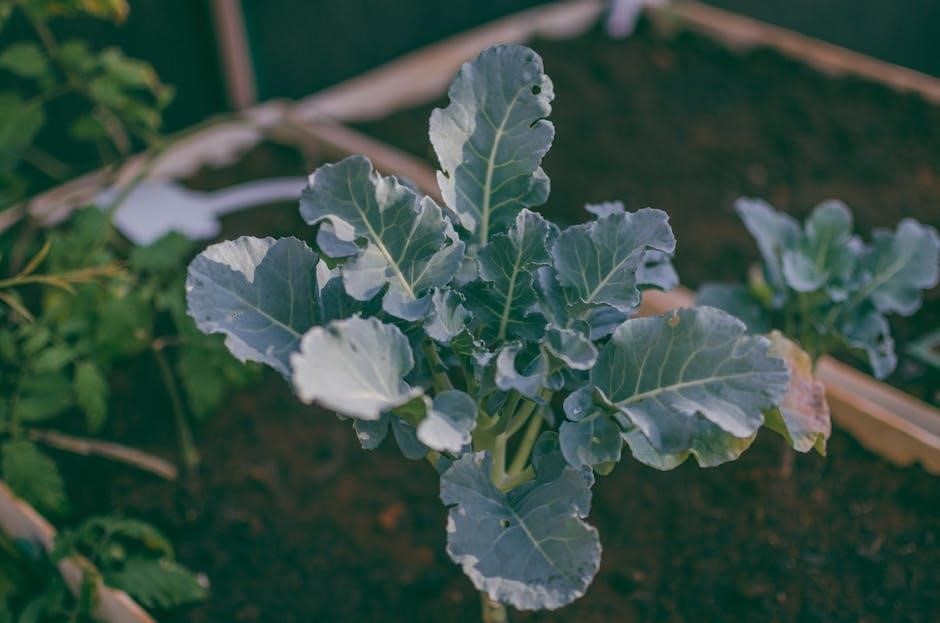
The final third is typically vermiculite, improving drainage and preventing soil compaction. Some gardeners also incorporate perlite for enhanced aeration, or coconut coir as a sustainable peat moss alternative. These chart resources emphasize the importance of a light, fluffy mix, unlike traditional garden soil which can become dense.
Avoid using soil directly from your yard, as it may contain weeds, pests, or diseases. Properly blended components, guided by a PDF chart, ensure a nutrient-rich and well-draining medium, fostering vigorous plant growth within your square foot garden.
Creating the Ideal Grow Mix
Achieving the ideal grow mix for square foot gardening is simplified with guidance from readily available chart PDFs. Begin by thoroughly combining equal parts of peat moss, vermiculite, and compost in a large container or wheelbarrow. Ensure the compost is fully broken down to avoid nutrient imbalances.
Moisten the mix gradually, adding water until it feels damp but not soggy – a consistency often visually represented in chart guides. Avoid compaction during mixing; a light, airy texture is crucial for root development. Some PDF resources suggest adding a small amount of lime to adjust pH levels, particularly if using acidic peat moss.
Properly prepared, this grow mix provides excellent drainage, aeration, and nutrient availability, creating a thriving environment for plants within each square foot. Referencing a chart ensures consistency and optimal results.
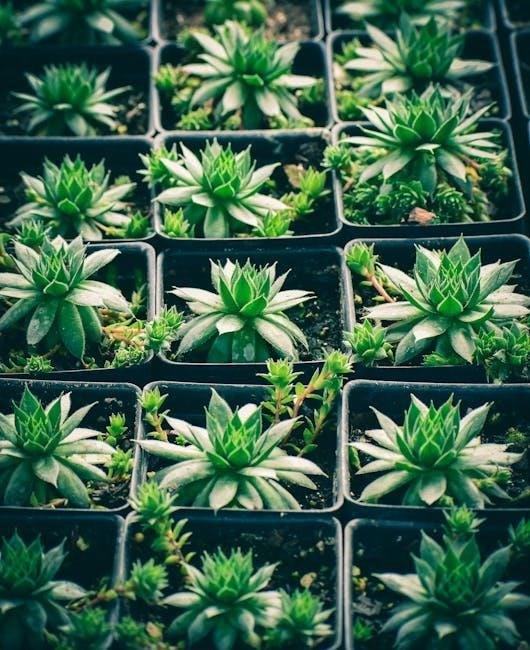
Plant Spacing Charts & Guides
Spacing charts, often available as PDFs, are essential for square foot gardening, dictating how many plants thrive per square foot for maximum yield.
Understanding Plant Spacing Requirements
Plant spacing is crucial in square foot gardening, differing significantly from traditional row planting. Utilizing a square foot gardening chart PDF simplifies this process, offering a visual guide to optimal density.
Each plant requires a specific amount of space to flourish, considering its mature size and growth habit. Overcrowding leads to reduced yields, increased disease risk, and stunted growth. Conversely, underplanting wastes valuable garden space.
A well-designed chart categorizes plants – leafy greens, root vegetables, and fruiting varieties – providing precise recommendations for plants per square foot. These PDF charts often account for variations within plant families, ensuring compatibility and maximizing productivity. Understanding these requirements, aided by a downloadable resource, is key to a successful and bountiful square foot garden.
Vegetable Spacing Chart (Per Square Foot)
A comprehensive vegetable spacing chart, often found within a square foot gardening chart PDF, is essential for maximizing yields. This chart details the number of plants per square foot, varying greatly by vegetable type.
For example, smaller vegetables like radishes or spinach can accommodate 16 plants per square foot, while larger plants like broccoli require only 1 plant per square foot. Leafy greens generally allow for denser planting than fruiting vegetables.
PDF charts typically categorize vegetables, providing clear guidelines. Utilizing these resources ensures efficient space allocation, preventing overcrowding and promoting healthy growth. Downloadable versions offer convenient access, allowing gardeners to quickly reference spacing requirements during planting, leading to a more productive garden.
Herb Spacing Chart (Per Square Foot)
An herb spacing chart, commonly included in a square foot gardening chart PDF, is crucial for optimizing herb production within a limited space. Herb spacing varies significantly based on growth habit and size.
Smaller herbs like chives or thyme can support 9-16 plants per square foot, while larger herbs like rosemary or sage typically require only 1-4 plants per square foot. Mint, known for its vigorous growth, benefits from dedicated space, often just one plant per square foot to prevent it from overtaking others.
PDF charts simplify planning, offering a quick reference for optimal herb density. Utilizing these resources ensures efficient use of garden space and maximizes the harvest of fresh, flavorful herbs throughout the growing season.
Root Vegetable Spacing
Root vegetable spacing is a key component detailed within a comprehensive square foot gardening chart PDF, as these plants require adequate room for underground development. Unlike leafy greens, root vegetables need space to bulb or form roots without competition.
Carrots and beets generally require 16 plants per square foot, while larger root vegetables like turnips or radishes need 9 plants per square foot. Potatoes, due to their size, typically occupy an entire square foot per plant.
PDF charts illustrate these guidelines, ensuring proper spacing for optimal root formation and size. Following these recommendations maximizes yield and prevents stunted growth, resulting in a bountiful harvest of delicious root vegetables.
Leafy Green Spacing
Leafy green spacing is generously outlined in a detailed square foot gardening chart PDF, as these plants generally don’t require extensive room for root development. This allows for denser planting compared to root or fruiting vegetables, maximizing yield within each square foot;
Spinach and lettuce can accommodate up to 16 plants per square foot, while kale and Swiss chard typically thrive with 9 plants per square foot. These PDF charts often provide visual guides, illustrating optimal arrangements for efficient space utilization.
Successive sowing, as detailed in the chart, allows for continuous harvests. Proper spacing, guided by the PDF, ensures adequate airflow and sunlight penetration, promoting healthy growth and preventing disease.
Fruiting Vegetable Spacing
Fruiting vegetables, demanding more space, are clearly addressed within a comprehensive square foot gardening chart PDF. These plants require adequate room for vine growth and fruit development, impacting the number of plants per square foot.
Tomatoes, depending on variety (determinate or indeterminate), typically need 1 plant per square foot. Peppers usually thrive with 4 plants, while bush cucumbers can occupy 4-9 spaces. The PDF chart details these variations, ensuring optimal growth conditions.
Utilizing the PDF’s guidance, consider vertical support structures like trellises to maximize space. Proper spacing, as illustrated, promotes airflow, reduces disease risk, and allows for sufficient sunlight penetration, leading to abundant harvests.
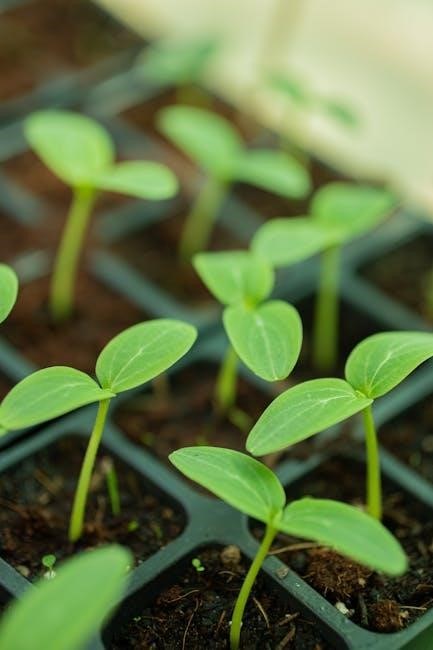
Downloading & Using a Square Foot Gardening Chart PDF
Square foot gardening chart PDFs offer readily accessible plant spacing guides, simplifying layout and maximizing yields; reliable resources are easily found online;
Finding Reliable PDF Resources
Locating trustworthy Square Foot Gardening chart PDFs requires a discerning approach. Numerous websites offer these resources, but quality and accuracy can vary significantly. Begin your search with established gardening blogs and websites known for their horticultural expertise. University extension offices frequently provide downloadable guides tailored to specific regions, offering regionally appropriate spacing recommendations.
Reputable sources will clearly indicate the chart’s origin and update date, ensuring the information is current. Look for PDFs that detail spacing for a wide variety of vegetables, herbs, and even some fruits, allowing for diverse garden planning. Beware of sites with excessive advertising or unclear authorship. A quick cross-reference with multiple sources can help verify the accuracy of the spacing recommendations before implementing them in your garden. Prioritize charts that are easy to read and understand, with clear visual layouts.
How to Interpret the Chart
Understanding a Square Foot Gardening chart PDF is crucial for successful planting. Typically, the chart organizes plants alphabetically or by category (leafy greens, root vegetables, fruiting plants). Each entry indicates the number of plants permissible per square foot. A “1” signifies one plant per square foot, while “4” or “9” indicates multiple smaller plants can occupy that space.
Pay attention to any notes accompanying the spacing recommendations; some plants benefit from wider spacing for optimal air circulation. The chart also often includes information on plant size at maturity, helping you anticipate growth. Remember that these are guidelines; adjust based on specific varieties and your local climate. Utilizing the chart effectively transforms planning from guesswork to a precise, yield-maximizing process, ensuring a bountiful harvest from your square foot garden.
Customizing the Chart for Your Needs
While Square Foot Gardening chart PDFs offer excellent starting points, personalization is key. Consider your local growing conditions – shorter growing seasons may necessitate fewer plants per square foot. Observe your garden; if plants become overcrowded, adjust future spacing accordingly.
Don’t hesitate to modify the chart based on specific plant varieties. Heirloom tomatoes, for example, might require more space than compact bush varieties. Keep a gardening journal to record your adjustments and their impact on yields. You can even create your own customized chart, reflecting your unique experiences and preferences. Remember, the PDF is a tool, not a rigid rulebook – adapt it to maximize your garden’s potential and enjoy a truly personalized growing experience.
Maximizing Yield in Square Foot Gardens
Square foot gardening chart PDFs facilitate succession planting and companion planting, boosting productivity within limited spaces for abundant harvests throughout the season.
Succession Planting Strategies
Succession planting, when paired with a square foot gardening chart PDF, becomes incredibly effective. These charts help visualize planting schedules, allowing you to maximize space and extend your harvest season.
The core idea is to replace crops as they finish producing. For example, after harvesting radishes (a quick crop), you can immediately plant beans in the same square foot, utilizing the space efficiently. A chart PDF details how long each crop takes to mature, guiding these replacements.
Consider planting fast-growing crops alongside slower-growing ones. Leafy greens can be harvested before fruiting vegetables need the space. Regularly consulting your chart PDF ensures you’re always planning the next planting, leading to continuous yields and a thriving garden throughout the growing season.
Companion Planting for Increased Productivity
Companion planting, boosted by a detailed square foot gardening chart PDF, enhances growth and deters pests naturally. The chart can indicate beneficial pairings within your limited space.
For instance, planting basil near tomatoes repels tomato hornworms and improves tomato flavor. A chart PDF will visually demonstrate these combinations, simplifying planning. Carrots and onions are another excellent pairing; onions deter carrot root flies, while carrots repel onion flies.
Utilizing the chart, you can strategically arrange plants to maximize these synergistic relationships. Remember to consider each plant’s spacing requirements, as indicated on the PDF, to avoid overcrowding. This method promotes a healthier, more productive garden, reducing the need for chemical interventions.
Resources and Further Learning
Explore online forums and downloadable chart PDFs for expert advice and plant spacing guides, enhancing your square foot gardening success and knowledge.
Online Communities and Forums
Engaging with fellow square foot gardeners online provides a wealth of shared experience and support. Numerous forums and online communities are dedicated to this gardening method, offering a space to ask questions, share successes, and troubleshoot challenges.
Many active members readily share their customized square foot gardening chart PDFs, adapted for specific climates or plant preferences. These forums often host discussions on interpreting charts, optimizing plant spacing, and maximizing yields based on regional growing conditions.
Searching online platforms like Reddit (r/squarefootgardening) or dedicated gardening websites will connect you with experienced gardeners willing to offer advice and resources, including links to reliable chart downloads and helpful tips.
Recommended Books on Square Foot Gardening
Several books offer comprehensive guidance on square foot gardening, often including detailed plant spacing charts. Mel Bartholomew’s “Square Foot Gardening” is considered the foundational text, providing the original method and practical advice for beginners.
Many updated editions and companion guides now incorporate readily available square foot gardening chart PDFs as supplemental resources, offering visual aids for efficient garden planning. These books often delve into customizing charts based on specific plant varieties and regional climates.
Exploring titles like “All New Square Foot Gardening” or books focused on companion planting will expand your knowledge and provide valuable insights into maximizing yields using this space-saving technique, often referencing downloadable chart resources.