Firex Smoke Alarm Instruction Manual: A Comprehensive Guide
This manual details Firex smoke and CO alarm installation, operation, testing, maintenance, and safety—covering interconnected systems, replacements, and troubleshooting.
Understanding Your Firex Smoke Alarm
Firex alarms are crucial for life safety, detecting smoke and/or carbon monoxide to provide early warning of potential fires or hazardous CO levels. These devices come in various types – photoelectric, ionization, and combination models – each utilizing different sensing technologies. Photoelectric alarms are generally more effective at detecting smoldering fires, while ionization alarms respond quicker to flaming fires. Combination alarms offer comprehensive protection against both types.
Understanding your specific Firex model is key; features like hardwired installation with battery backup, interconnection capabilities with other alarms, and the presence of an exit light (like the i12080) all impact functionality. Regular testing and maintenance, as outlined in this manual, are vital for ensuring reliable performance and optimal protection for your home and family.
Firex Product Range Overview
Firex offers a diverse range of fire and carbon monoxide safety products designed to meet varied needs. This includes standard Firex smoke alarms, specialized duct smoke detectors, and heat alarms for areas where smoke alarms aren’t suitable. They also manufacture combination smoke and CO alarms, providing dual protection.

The product line extends to hardwired alarms, some featuring battery backup and even integrated exit lights (like the i12080 model). Focus Industries, associated with Firex, provides accessories and area lights. Replacement kits are available for existing Firex installations. While some items are discontinued, suitable replacements from Kidde or BRK/First Alert are readily available, ensuring continued safety and compliance with current standards.
Types of Firex Smoke Alarms
Firex smoke alarms utilize different sensing technologies to detect fires. Photoelectric alarms are generally more effective at detecting slow, smoldering fires, making them ideal for bedrooms. Ionization smoke alarms, conversely, respond faster to fast-flaming fires with visible particles.
Firex also offers combination alarms that integrate both photoelectric and ionization sensors, providing broader fire detection coverage. Furthermore, Firex manufactures smoke/CO alarms, protecting against both fire and the dangers of carbon monoxide poisoning. Hardwired models, like the i12080, offer reliable performance, often with battery backup for continued operation during power outages. Choosing the right type depends on the specific application and potential fire hazards.
Photoelectric Smoke Alarms
Firex photoelectric smoke alarms detect fires by sensing the light scattered by smoke particles. An internal light source directs a beam into a sensing chamber. When smoke enters, it scatters the light onto a photocell, triggering the alarm.
These alarms are particularly effective at detecting slow, smoldering fires that may not produce large flames quickly, such as those caused by unattended cooking or cigarette fires. They are often recommended for installation near bedrooms and living areas where these types of fires are more likely to originate. Photoelectric technology minimizes nuisance alarms from cooking steam or shower humidity.
Ionization Smoke Alarms
Firex ionization smoke alarms quickly detect fast-flaming fires by disrupting the flow of ions within a sensing chamber. A small amount of radioactive material maintains ionization, creating a constant current. When smoke enters, it reduces ion flow, triggering the alarm.
These alarms are generally more responsive to rapidly developing fires with visible flames, like paper or grease fires. They are suitable for areas where quick detection of these types of fires is crucial. However, ionization alarms may be more prone to nuisance alarms from cooking or steam. Regular testing and proper placement are essential for optimal performance.
Combination Smoke and Carbon Monoxide (CO) Alarms
Firex Combination Smoke and CO Alarms offer dual protection, detecting both deadly smoke from fires and the odorless, colorless carbon monoxide gas. These alarms utilize both photoelectric and electrochemical sensing technologies for comprehensive safety.
CO detection is vital as it can result from malfunctioning fuel-burning appliances. Combination alarms simplify safety by consolidating two essential functions into one device. They feature distinct alarm patterns – typically three beeps for CO and a continuous alarm for smoke – to clearly indicate the type of emergency. Regular testing of both smoke and CO detection functions is crucial for reliable operation and peace of mind.
Installation Guide
Proper installation is critical for Firex smoke alarm performance. This guide covers hardwired, direct wire (120V AC), and adapter-assisted installations. Always consult local building codes and follow manufacturer instructions meticulously.
Hardwired alarms require existing household wiring and typically interconnect with other alarms. Direct wire (120V AC) models connect directly to a power source. The KA-F2 Adapter simplifies upgrades, allowing compatibility with existing wiring harnesses for certain Firex models, avoiding complete rewiring. Ensure power is OFF during installation. Securely mount the alarm, connect wiring correctly, and test thoroughly after installation to confirm functionality.
Hardwired Smoke Alarm Installation
Hardwired Firex smoke alarms integrate with your home’s electrical system for continuous power and interconnection. Begin by shutting off power to the circuit at the breaker. Carefully remove the existing alarm, noting wire connections. Connect the alarm’s wires – typically black (hot), white (neutral), and red (interconnect) – to the corresponding house wires using wire connectors.
Securely mount the alarm base to the ceiling or wall. Attach the alarm head. Restore power at the breaker and test the alarm and interconnected units. Ensure all alarms sound when any detect smoke. Proper grounding is essential for safety and functionality.
Direct Wire (120V AC) Installation
Direct wire Firex alarms connect directly to a 120V AC power source, offering reliable, continuous protection. First, disconnect power to the circuit at the breaker box. Remove the existing alarm, carefully noting the wire connections – black (hot), white (neutral), and potentially red (interconnect). Connect the new alarm’s wires to the corresponding house wires using approved wire connectors, ensuring a secure connection.
Mount the alarm base securely to the ceiling or wall. Attach the alarm head. Restore power at the breaker and thoroughly test the alarm’s functionality and interconnection with other units. Verify that all alarms activate upon smoke detection.
Using the KA-F2 Adapter
The KA-F2 adapter simplifies Firex alarm replacement, particularly when transitioning from older models or brands. It allows compatibility with existing wiring without requiring a complete rewiring of the interconnected system. Carefully disconnect power at the breaker. Remove the old alarm and connect the house wires to the corresponding terminals on the KA-F2 adapter.
Then, connect the Firex alarm’s wires to the adapter. Securely mount the adapter and new alarm. Restore power and test the entire interconnected system to confirm proper operation. The KA-F2 ensures seamless integration and maintains the integrity of your fire safety network.
Interconnection and Compatibility
Interconnected smoke alarms offer enhanced safety; when one alarm detects smoke, all alarms sound, alerting residents throughout the home. Firex alarms are designed for interconnection, but compatibility is crucial. Replacing interconnected alarms requires using the same brand—Kidde or BRK/First Alert—to ensure seamless functionality. Mixing brands can lead to system failures.
Maintaining brand consistency is paramount for reliable operation. When replacing, update all interconnected alarms simultaneously. Utilizing the correct wiring and potentially the KA-F2 adapter (for certain models) will facilitate a smooth transition and preserve the interconnected network’s effectiveness.
Importance of Interconnected Alarms

Interconnected smoke alarms significantly improve home safety by providing a unified warning system. If a fire starts in one area of the house, all interconnected alarms will sound, regardless of where the smoke is initially detected. This is especially critical during nighttime when occupants may be asleep and less likely to hear an alarm originating from a distant room.
Early warning is vital for safe evacuation. Interconnection ensures everyone in the household is alerted promptly, increasing the chances of escaping a fire unharmed. A single alarm may not be sufficient; interconnected systems offer comprehensive protection, particularly in larger homes or those with multiple levels.
Kidde and BRK/First Alert Compatibility
When replacing Firex interconnected smoke alarms, it’s crucial to understand compatibility limitations. Currently, the primary compatible replacement options are Kidde and BRK/First Alert alarms. These brands are generally considered equal in quality and functionality, offering reliable fire safety solutions.
However, mixing brands within an interconnected system is not recommended and can compromise its effectiveness. Maintaining brand consistency—using only Kidde or only BRK/First Alert—ensures seamless communication between all alarms. Attempting to integrate different brands may result in alarms failing to communicate during an emergency, defeating the purpose of interconnection.
Replacing Interconnected Alarms – Brand Consistency
Maintaining brand consistency is paramount when replacing interconnected Firex smoke alarms. If your existing system is Firex, and you’re replacing units, you must choose either Kidde or BRK/First Alert for all replacements. Mixing brands within a wired interconnected system will disrupt communication and potentially jeopardize safety.
The interconnected functionality relies on a standardized protocol within a single manufacturer’s product line. Replacing a Firex alarm with a Kidde or BRK/First Alert unit without replacing all interconnected alarms creates an incompatible network. This can lead to some alarms not sounding during a fire, offering a false sense of security. Prioritize a complete system upgrade with a single brand.
Alarm Operation and Testing
Regular testing is crucial to ensure your Firex smoke alarm functions correctly. Press the test button to simulate a smoke condition; the alarm should sound a loud, distinct pattern. Familiarize yourself with the specific sound – it differs from a low-battery chirp. Understand indicator lights; flashing lights often signify alarm status or a fault.
The silence/hush feature temporarily desensitizes the alarm, useful for nuisance alarms from cooking smoke. However, never disable the alarm permanently. If the alarm sounds repeatedly, investigate the cause. Consistent testing, understanding alarm signals, and proper use of the hush feature are vital for reliable fire detection and safety.
Testing Your Smoke Alarm Regularly

Consistent testing – at least monthly – is paramount for reliable operation. Press and hold the test button until a loud, piercing alarm sounds. This verifies the electronic circuitry, horn, and battery (if applicable) are functioning. Don’t just rely on the light indicator; always listen for the audible alarm.
Test each alarm individually if interconnected. If one fails to sound during testing, address the issue immediately. Document test dates to maintain a testing schedule. Remember, testing confirms functionality at the moment of testing – it doesn’t guarantee future performance, hence the need for regular checks. Prioritize this simple step for enhanced fire safety.
Understanding Alarm Sounds and Indicators
Firex alarms utilize distinct sound patterns to differentiate alerts. A continuous, loud beeping signifies a fire or dangerous CO level. Short, intermittent chirps typically indicate a low battery or a system malfunction. Pay close attention to the frequency and duration of the sound.
LED indicators provide visual cues. A flashing light often accompanies the alarm sound, and a solid light may indicate power is present. Refer to your specific model’s documentation for detailed indicator meanings. Ignoring these signals can compromise safety. Familiarize yourself with these sounds and lights to react appropriately and swiftly in an emergency situation.
Silence/Hush Feature Operation
The Silence/Hush feature temporarily silences nuisance alarms, such as those triggered by cooking smoke or steam. Locate the test/reset button on your Firex alarm. Pressing this button briefly typically activates the hush mode, silencing the alarm for a predetermined period – usually several minutes.
Important: This feature is not for genuine fire emergencies. The alarm will automatically reset and reactivate if smoke or CO levels rise again. Always investigate the cause of the alarm before using the hush function. Repeated use may indicate a problem requiring attention. Refer to your model’s specific instructions for precise operation details.
Maintenance and Troubleshooting
Regular maintenance ensures reliable operation of your Firex smoke alarm. Monthly testing is crucial – press the test button to verify functionality. Replace batteries (in battery backup models) at least annually, or when the low-battery chirp sounds. Clean the alarm exterior with a soft cloth to remove dust and debris; avoid using cleaning products.
Troubleshooting common issues: Chirping indicates low battery or alarm failure. False alarms may stem from cooking, steam, or dust. If problems persist, consult the full instruction manual or contact Firex support. Never disable an alarm; address the underlying cause instead.
Battery Replacement (Battery Backup Models)
Firex battery backup models require annual battery replacement for continued protection during power outages. Use only the specified battery type (typically 9V) as indicated on the alarm or in the manual. To replace, gently twist the alarm counterclockwise to remove it from the mounting bracket. Locate the battery compartment and remove the old battery.
Install the new battery, ensuring correct polarity (+/-). Reattach the alarm to the bracket and test functionality using the test button. A brief chirp confirms successful battery installation. Dispose of used batteries responsibly, following local regulations. Consistent battery checks are vital for reliable smoke detection.
Cleaning Your Smoke Alarm
Regular cleaning is crucial for maintaining the effectiveness of your Firex smoke alarm. Dust, dirt, and insects can interfere with the sensor’s ability to detect smoke. To clean, first disconnect the alarm from the power source – either by removing the battery or switching off the circuit breaker.
Gently vacuum the exterior of the alarm using a soft brush attachment. Avoid using water, cleaning solutions, or chemicals, as these can damage the sensor. For stubborn dirt, lightly dampen a cloth and wipe the exterior. Ensure the alarm is completely dry before reconnecting it to the power source. Cleaning should be performed at least twice a year.
Troubleshooting Common Issues

If your Firex smoke alarm is chirping, it likely indicates a low battery – replace it immediately. Frequent false alarms can stem from dust accumulation (see cleaning instructions) or nearby humidity. Ensure the alarm isn’t positioned near cooking areas or bathrooms.
If the alarm doesn’t respond during testing, check the power source (battery or circuit breaker). For hardwired alarms, verify the wiring connections. If interconnected alarms aren’t responding simultaneously, confirm compatibility (Kidde or BRK/First Alert) and proper interconnection wiring. If problems persist, consult a qualified electrician or contact Firex support.
Safety Information
Firex alarms are crucial for life safety, but they aren’t foolproof. Practice a home fire escape plan regularly with all household members. Ensure everyone recognizes alarm sounds and knows evacuation routes.
Regarding carbon monoxide (CO) alarms, understand symptoms of CO poisoning (headache, dizziness, nausea) and seek fresh air immediately if detected. Remember, alarms have limitations; they may not detect fires in every situation, especially if doors are closed or alarms are improperly placed. Regular testing and maintenance are vital. Never disable an alarm – it’s your first line of defense!
Fire Safety Best Practices
Prioritize a well-defined home fire escape plan, practicing it at least twice a year with all occupants. Designate a safe meeting place outside the home. Ensure smoke alarms are installed on every level of the home, inside bedrooms, and outside sleeping areas.
Keep hallways and exits clear of obstructions. Never store flammable materials near heat sources. Regularly inspect electrical cords for damage. Teach children about fire safety, including the dangers of playing with matches and lighters. Consider a fire extinguisher and learn how to use it properly. Early detection and swift action are key to minimizing fire damage and saving lives.
Carbon Monoxide Safety Information (CO Alarms)
Carbon Monoxide (CO) is a colorless, odorless, and poisonous gas. CO alarms are crucial, especially near sleeping areas, as CO can be fatal. Never ignore a CO alarm—treat every alarm as an emergency! If the alarm sounds, immediately evacuate everyone to fresh air.
Do not re-enter the premises until a qualified technician identifies and resolves the CO source. Common sources include malfunctioning fuel-burning appliances like furnaces, stoves, and water heaters. Ensure proper ventilation when using such appliances. Regularly inspect and maintain these devices; Know the symptoms of CO poisoning: headache, dizziness, weakness, nausea, vomiting, and confusion.
Alarm Limitations and Considerations
Smoke alarms are not foolproof and have limitations. They may not detect fires in every situation, such as those starting very slowly, in remote areas, or if ventilation is blocked. Regular testing is vital to ensure functionality. Alarms may be ineffective if batteries are missing or depleted, or if the alarm is dirty.
False alarms can occur due to cooking fumes, steam, dust, or insects. Never disable an alarm to silence a false alarm—address the cause instead. Interconnected alarms offer broader protection, but a failure in one alarm can affect the entire system. Replace all interconnected alarms simultaneously with the same brand (Kidde or BRK/First Alert) for optimal performance.
Firex Discontinued Items & Replacements
Firex has discontinued certain smoke and CO alarm models. When replacing discontinued items like the Firex 484, or i12080, it’s crucial to find suitable replacements. Kidde and BRK/First Alert are the primary recommended brands for compatibility, especially within interconnected systems. Replacing alarms often requires changing the mounting bracket or wiring harness.
The KA-F2 adapter can simplify replacement for specific Firex models, avoiding complete rewiring. Ensure the new alarm matches the existing system’s voltage (typically 120V AC). Always replace all interconnected alarms simultaneously to maintain system integrity and avoid compatibility issues. Refer to manufacturer guidelines for specific model replacements.
Focus Industries & Accessories
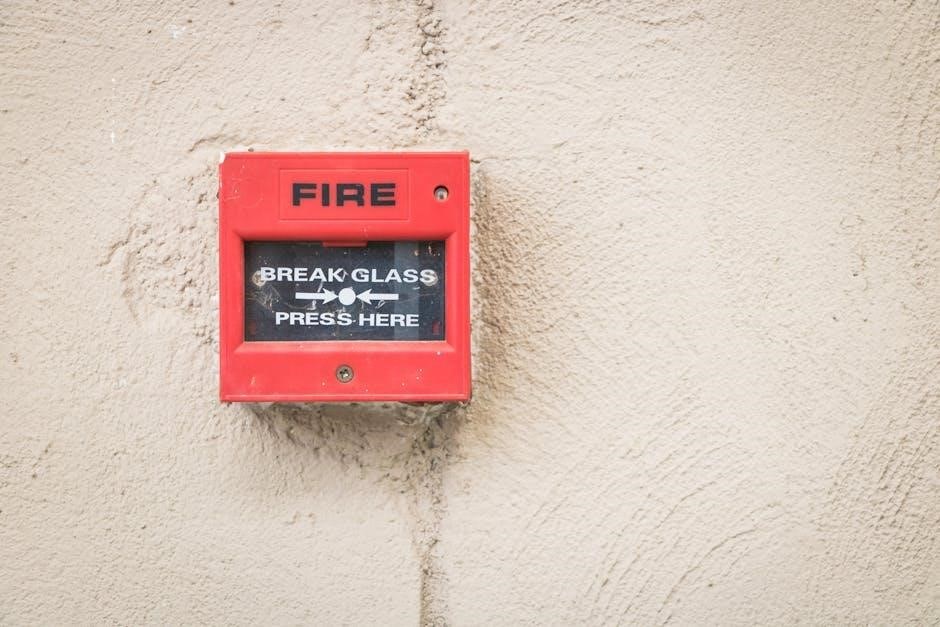
Focus Industries is closely associated with Firex, offering a range of complementary products and accessories. Beyond smoke and CO alarms, Focus Industries provides area lights, potentially integrated with alarm systems for enhanced emergency visibility. They also supply replacement kits designed specifically for Firex alarms, simplifying maintenance and repairs.
These accessories can include mounting brackets, wiring harnesses, and other components needed for installation or replacement. Focus Industries aims to provide comprehensive solutions for fire safety needs, extending beyond basic alarm functionality. Exploring their catalog can reveal options to upgrade or customize your Firex alarm system, ensuring optimal performance and reliability.
Where to Buy Firex Smoke Alarms
Firex smoke and CO alarms are readily available through several major retailers. The Home Depot is a prominent source, offering a selection of Kidde Firex hardwired smoke detectors with ionization sensors and battery backup options. Online marketplaces also feature Firex products, providing convenient access from home.
Additionally, specialized fire safety equipment suppliers often carry Firex alarms and related accessories. Checking the official Kidde (parent company) website can direct you to authorized dealers in your area. Remember to compare prices and availability across different retailers to secure the best deal. Always purchase from reputable sources to ensure product authenticity and warranty coverage.
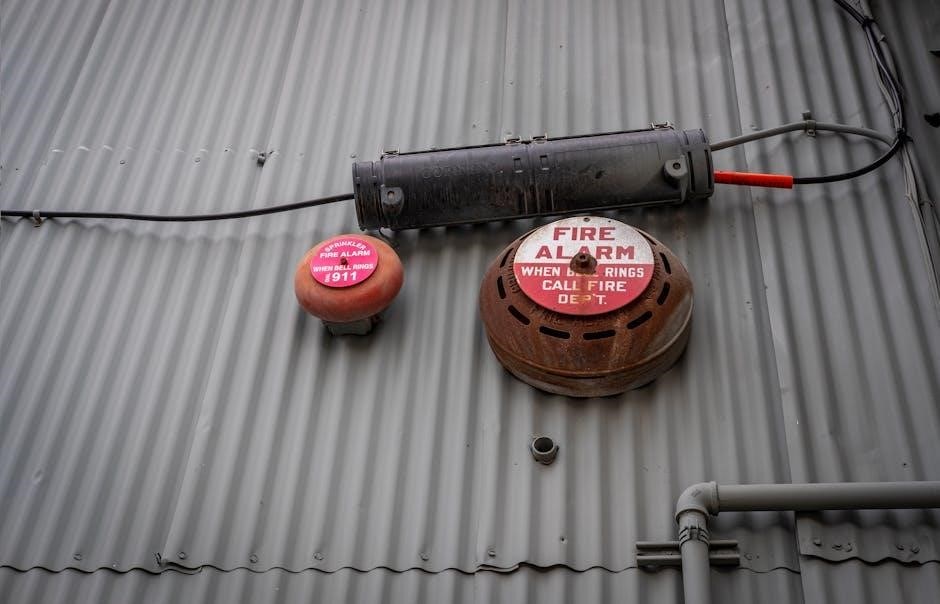
Shipping, Returns & Promotions
Details regarding shipping costs and delivery times for Firex smoke alarms vary depending on the retailer. Most major stores, like The Home Depot, offer standard shipping options, with expedited services available for an additional fee. Review the retailer’s shipping policy before finalizing your purchase to understand estimated arrival dates.
Return policies generally allow for returns within a specified timeframe, often 30 days, with proof of purchase. Check for any restocking fees. Promotions and discounts on Firex alarms are frequently offered, particularly around safety awareness months or seasonal sales. Keep an eye on retailer websites and sign up for newsletters to stay informed about current deals.
Contact Information & Support
For direct assistance with Firex products, accessing support resources often requires contacting the retailer where the alarm was purchased. Kidde, a primary manufacturer associated with Firex, provides comprehensive support through their website, offering FAQs, troubleshooting guides, and downloadable manuals. BRK/First Alert also offers similar resources as they are compatible with Firex interconnected systems.
Customer service phone numbers and email addresses can typically be found on the retailer’s website or the product packaging. Reddit’s r/firealarms community can also be a valuable resource for peer-to-peer support and advice regarding Firex alarm replacements and compatibility issues. Ensure you have your model number ready when seeking assistance.